Choosing a Flight Data Provider: 10 Questions Every Aviation Company Should Ask

Choosing a flight data provider should not be treated as a simple comparison of prices, endpoints or aircraft positions.
For airlines, airports, aviation technology companies, research teams and operational platforms, flight data becomes part of the infrastructure behind products, workflows and decisions. The quality of that data can affect visibility, reporting, analytics, monitoring and the experience delivered to end users.
Before selecting a provider, aviation companies should look beyond basic access and ask whether the data is suitable for the specific application they are building.
Here are ten important questions to consider.
1. What data sources are used?
A reliable flight data feed should not depend on a single source.
Aircraft movements may be captured through ground-based ADS-B receivers, satellite-based data and other aviation data sources. Combining different sources can help improve coverage and reduce blind spots.
Ask the provider how the data is collected, combined and validated before it reaches your system.
2. Does the coverage match your operational needs?
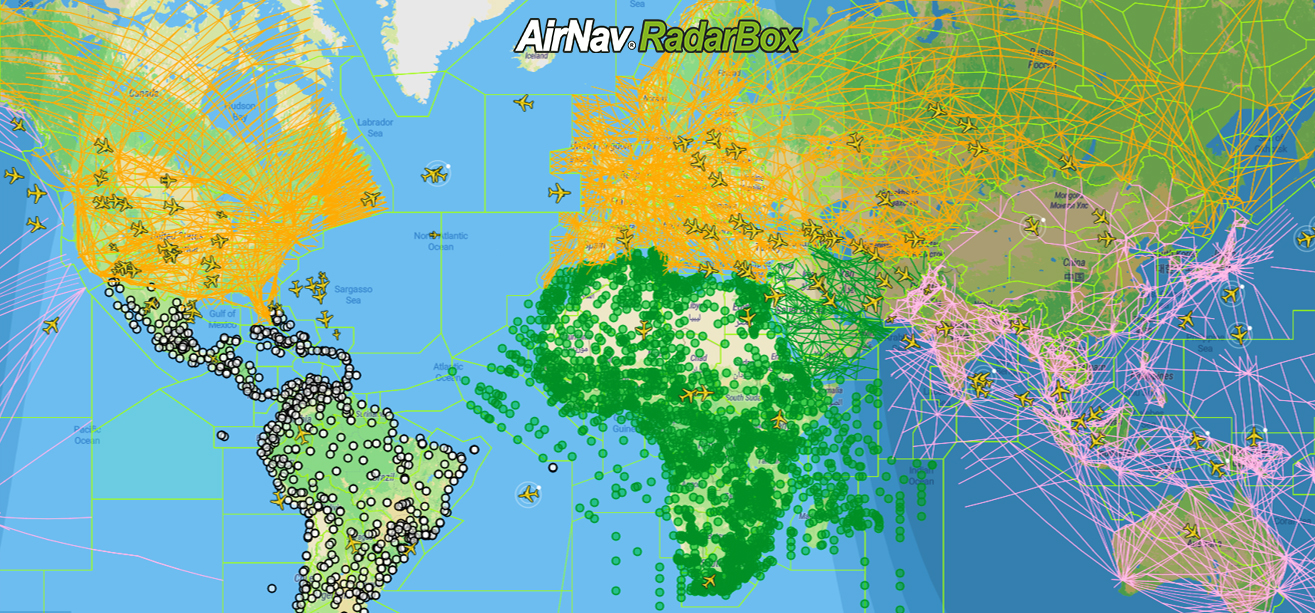
A provider may advertise global coverage, but that does not automatically mean consistent visibility in every region.
Consider where your aircraft, customers or operations are located. Coverage over major airports may be very different from coverage over oceans, remote regions or areas with limited ground infrastructure.
The right question is not simply whether the provider offers global data. It is whether the coverage is strong enough for your specific routes, regions and use cases.
3. How frequently is the data updated?
Update frequency can have a direct impact on how responsive a product or operational workflow feels.
Some applications only require periodic updates. Others, such as live monitoring platforms, alerting systems or detailed visualisations, may benefit from more frequent aircraft position updates.
Ask how often new information is delivered and whether different frequency options are available.
4. What level of latency should you expect?
Frequency and latency are related, but they are not the same.
A feed may receive frequent updates while still delivering them with a delay. For operational monitoring and live applications, it is important to understand how quickly the information moves from the original source to your system.
Providers should be able to explain the expected delivery time and the factors that may affect it.
5. How is the data validated?
Raw aviation data can contain gaps, duplicate messages, inconsistent positions or incomplete records.
A strong provider should have processes for checking, organising and validating the information before it is delivered. This helps create more consistent outputs and reduces the amount of cleaning required by the customer.
Ask how the provider handles conflicting sources, abnormal positions and incomplete flight information.
6. Which data fields are available?
Aircraft position is only one part of a flight data feed.
Depending on the application, you may also need route information, altitude, speed, heading, aircraft identification, registration, origin, destination, timestamps or historical movement data.
Create a clear list of the fields required by your product or workflow and confirm whether they are consistently available.
7. Which delivery method is right for your use case?
Different applications require different ways of accessing data.
A real time data stream may be suitable for continuous monitoring or live products. An On Demand API may be better for targeted queries. Historical datasets may be required for reporting, research or long term analysis.
The provider should help you select the delivery model that matches the volume, frequency and technical requirements of your application.
8. Can the solution scale with your business?
A small pilot project may have very different requirements from a global commercial platform.
Ask whether the provider can support increases in request volume, aircraft coverage, users, regions or data frequency. It is also important to understand how pricing, infrastructure and support may change as usage grows.
A suitable provider should be able to support both the initial implementation and future expansion.
9. What technical and commercial support is available?
Reliable data access depends on more than the feed itself.
Implementation guidance, documentation, technical support and clear communication can significantly affect the success of an integration.
Ask who will support the project, how technical issues are handled and whether the provider can help adapt the solution to specific business requirements.
10. Can the provider support your exact use case?
Aviation companies do not all use flight data in the same way.
An airline may need fleet visibility. An airport may require movement analysis. A technology company may be building a customer facing product. A research team may need historical data for a defined region and period.
The provider should understand the purpose behind the request and recommend a solution based on the intended use, rather than offering the same package to every customer.
Look beyond access
Choosing a flight data provider is not only about gaining access to aircraft positions.
It is about finding data that is reliable, timely, consistent and suitable for the product, analysis or operational process it needs to support.
Before making a decision, define the required coverage, fields, frequency, latency, delivery method and level of support. The clearer the requirements are, the easier it becomes to evaluate whether a provider is the right long-term fit.
AirNav Systems provides real-time data streams, On Demand APIs, historical flight data and custom data solutions for aviation businesses with different technical and operational requirements.
Looking for aviation data for your platform, analysis or workflow?
Contact our team to discuss your data requirements.
 Facebook
 X
X